I am a Hunter. What can I do to help prevent the spread of invasive species?
- Use native plants for wild game food plots. Studies show game has a higher survival rate in the wild when using native plants for food and cover.
- Clean your boots, hunting gear, truck bed, and tires after a hunting trip to avoid spreading non-native seeds, insects, or spores to a new location.
- Never move firewood. Instead, buy or use firewood that is close to your campsite.
- Learn to identify the invasive species common to your area.
- Report any sightings to your county extension agent or to EDDMapS.org
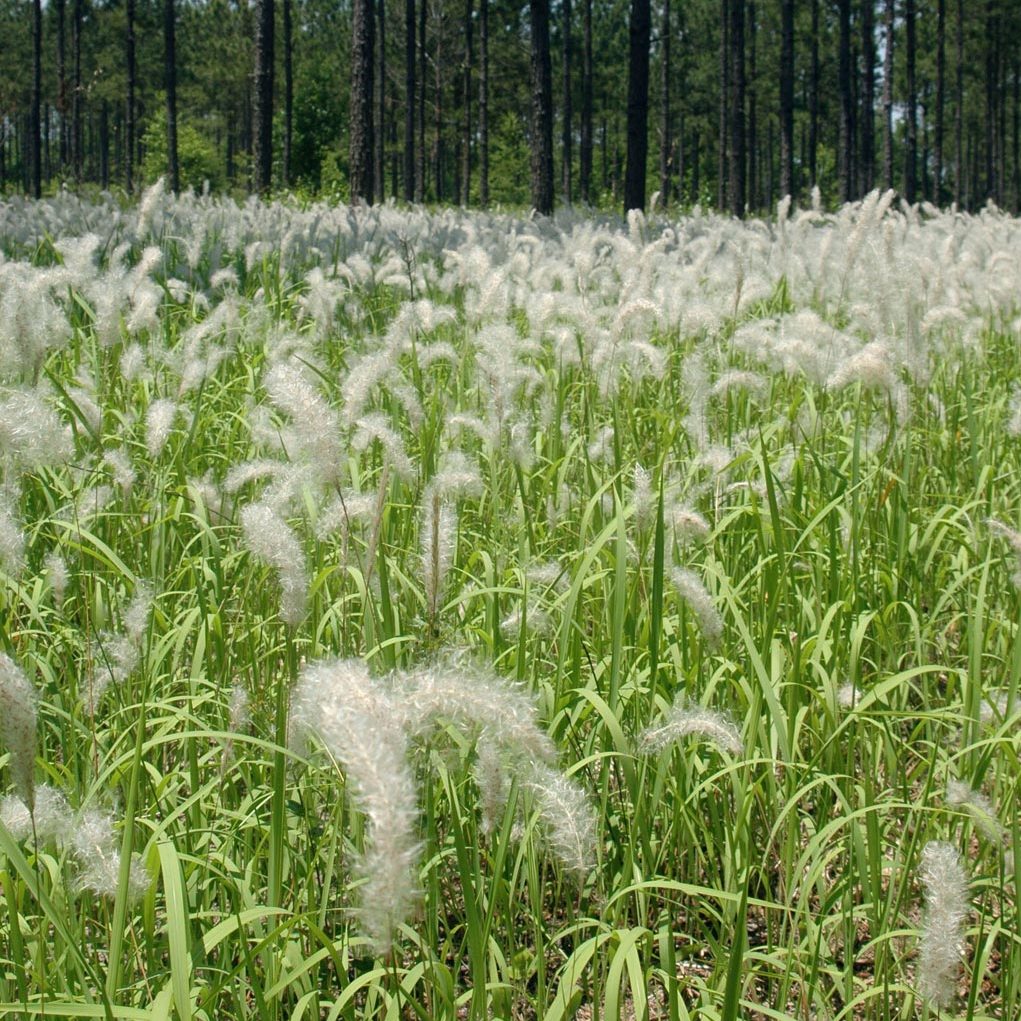
Cogongrass, an invasive grass from Asia, is considered “the seventh worst weed in the world”. This species is widespread through the Southeast. Cogongrass is capable of displacing entire communities of native plants and the wildlife which depend on them. The leaves of cogongrass are extremely unpalatable to native wildlife due to the high silica content. Large infestations can become so dense that many smaller animals find it difficult to travel through them. Large dense infestations also diminish quality brood-rearing habitat for quail and turkeys.
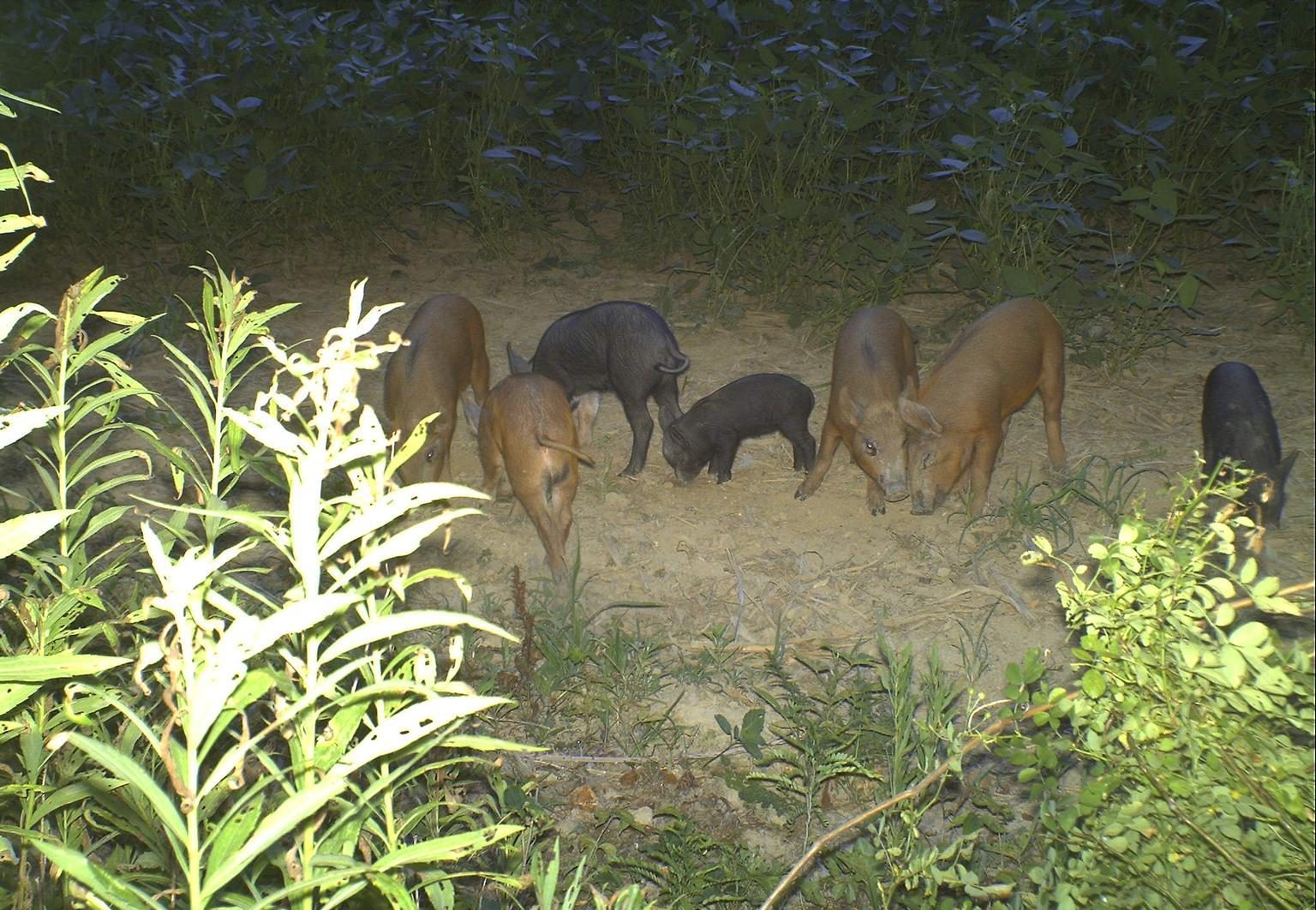
Feral swine (wild pigs, boars, or feral hogs), although challenging to hunt, can cause a wide variety of problems for hunters in the South. Feral swine are omnivores and will eat almost anything, including eggs and chicks of ground-nesting birds, such as turkey and quail. Feral swine also directly compete with native wildlife for forage. Acorns, a preferred food of feral swine, are a significant part of the diet of deer, bear, turkeys, and ducks. Feral swine are wallowers and rooters; these activities can destroy water holes utilized by other wildlife. Feral swine have also been shown to spread brucellosis to humans and livestock.
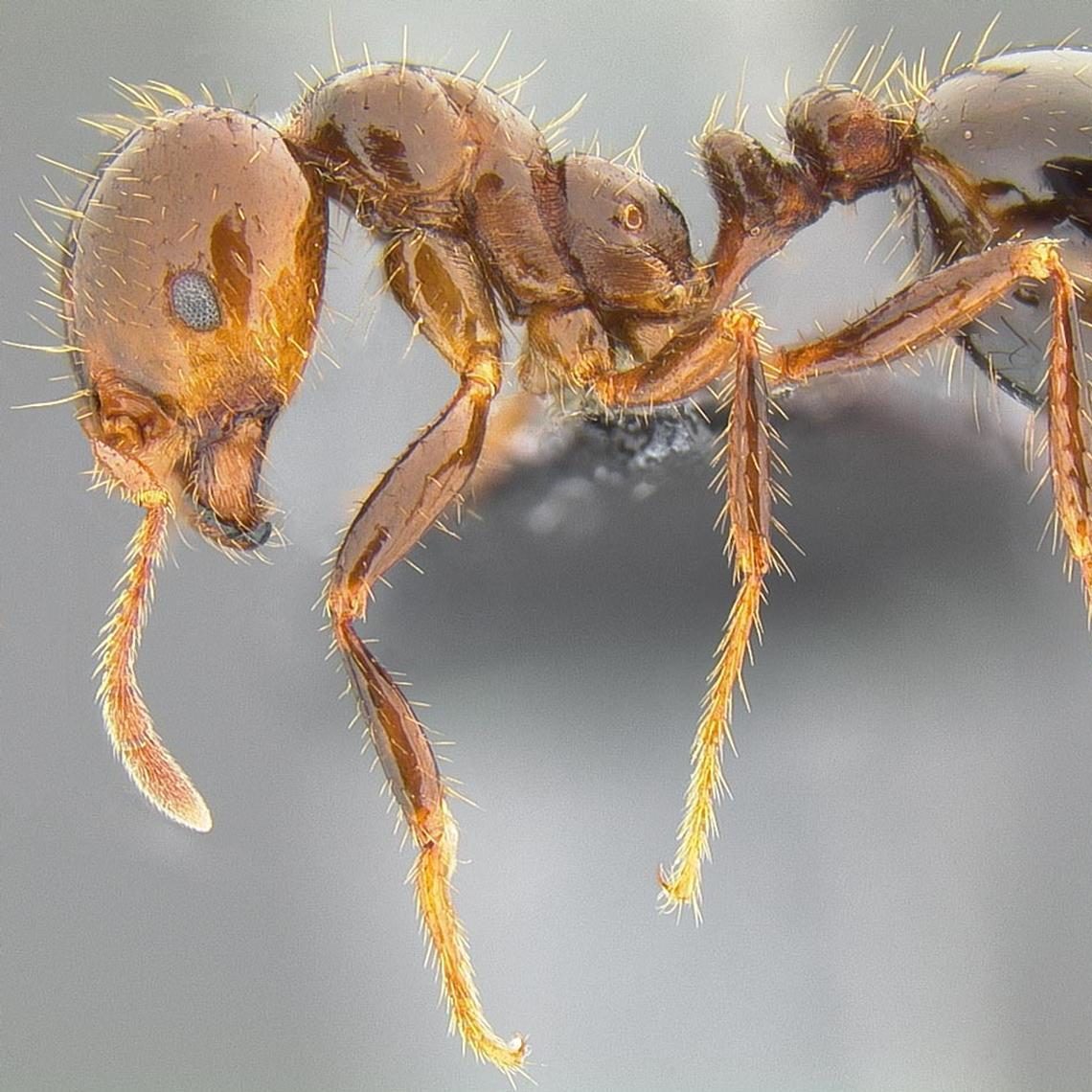
Red imported fire ants, as anyone from the South knows, are extremely aggressive and have a powerful sting. Pustules that result from fire ant stings are irritating and can cause permanent scarring. Ground nesting birds, such as quail and turkey, are also greatly impacted by the presence of the red imported fire ant. Fire ants have been shown to attack bird and reptile eggs, juveniles, and adults. Red imported fire ants have been shown to reduce bobwhite quail chick survival and, in one study, 38% of chick deaths were attributed to fire ant stings.
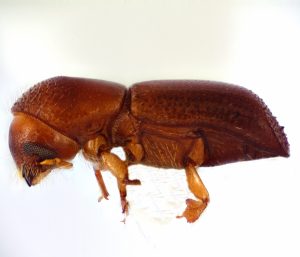
Redbay ambrosia beetle is a beetle from Asia that carries multiple different fungi including laurel wilt fungus (Raffaelea lauricola) and Dutch Elm Disease (Ophiostoma ulmi). The redbay ambrosia beetle has effected the Redbay trees, which are important to the wildlife of the South. Deer eat the fruit and leaves, and fruits are eaten by turkey and quail. New trees can also be infected by the movement of infected wood to new areas. Once a tree is infected it will wilt and die within a few weeks to months.
This publication based on: Midwest Invasive Plant Network. 2008. Why should I care about invasive plants? How invasive plants impact hunting, fishing, boating, gardening, hiking, biking, horseback riding, and other recreational activities in the Midwest. From MIPN.org.