I am a Gardener. What can I do to minimize the introduction and spread of invasive species?
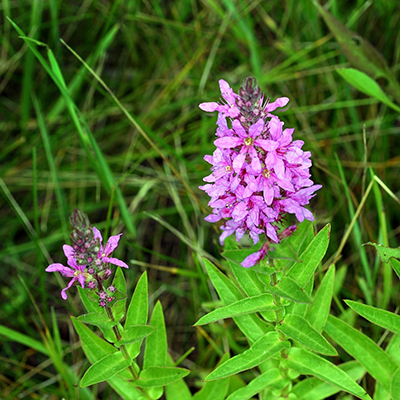
- Avoid using invasive species in your garden. If invasive plants are already present, be responsible by removing and destroying seed heads to prevent spread—and never share invasive plants with other gardeners. Worried that your garden might lose its appeal after removing invasives? Non-invasive and native alternatives are easy to find. When choosing a replacement, think about what you like most about the invasive plant—such as color, flowers, or growth habit—and look for a native with similar traits. For example, replace round leaf bittersweet with American bittersweet for showy fruit; swap Japanese honeysuckle for a late-blooming leatherflower vine; or trade purple loosestrife for purple coneflower or native blazing stars to have vibrant colors.
Invasive plant species threaten natural areas and can invade your garden. Landscape plants that seed freely, like privet, can cause extra work for gardeners. Seedlings must be weeded out before they take over and displace plants that you painstakingly planted in your garden. Plants such as wisteria can spread quickly from your garden onto other people’s property, decreasing both their enjoyment of their property and their enjoyment of you as a neighbor. Even plants that seem manageable in your garden may be spreading seeds into natural areas. The fruits on many plants, such as nandina and coral ardisia, are eaten and spread by birds, causing infestations many miles away.
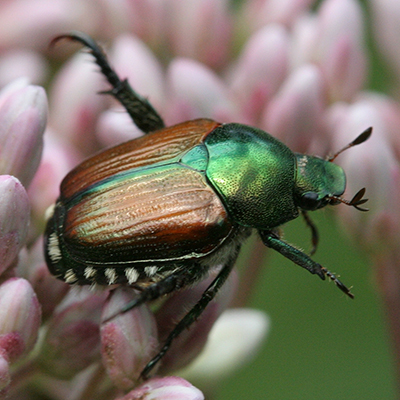
Japanese beetles have a total host range of more than 400 species. Some of these hosts include roses, crepe myrtles, and Japanese maples. Japanese beetles skeletonize leaf tissue (eat all leaf tissue between the veins and leave the veins behind). Adults attack flower buds and fruits, while grubs are considered the number one pest of turf and lawns. Japanese beetle infestations can greatly reduce the ability of your garden plants to grow and flourish. Gardeners in the United States spend an average of $460 million a year to control Japanese beetles in their gardens.
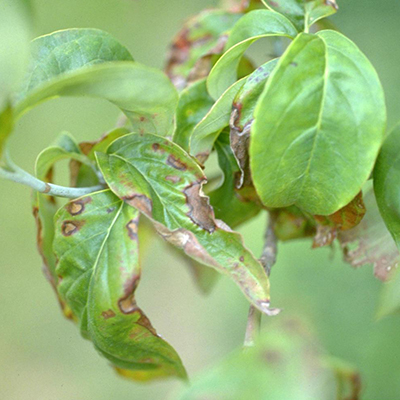
There are also many invasive species you cannot see that affect your garden. Many invasive pathogens, such as dogwood anthracnose, oak wilt, mimosa wilt, and Dutch elm disease can make plants unsightly and potentially kill them. Americans spend $2 billion each year controlling unwanted plant pathogens in lawns, gardens, and golf courses.
This publication based on: Midwest Invasive Plant Network. 2008. Why should I care about invasive plants? How invasive plants impact hunting, fishing, boating, gardening, hiking, biking, horseback riding, and other recreational activities in the Midwest. From MIPN.org.