What are Invasive Species?

Invasive species are species that:

  • Is nonnative to a specified geographic area
  • Was introduced by humans (intentionally or unintentionally)
  • Does or can cause environmental or economic harm or harm to humans

If left uncontrolled, invasive species can and will limit land use, cause billions of dollars in economic losses, threaten the state’s biodiversity, and become a financial burden to control. Because of the potential negative impacts that can result from invasive species, it has become an official public goal in Georgia to reduce the environmental and economic damage caused by harmful, nonnative species.

Link for sources

Federal Definition:

Any species, including its seeds, eggs, spores, or other biological material capable of propagating that species, that is not native to that ecosystem; and whose introduction does or is likely to cause economic or environmental harm or harm to human health.

  • Executive Order 13112 February 3, 1999

Native Species

A species that does or should occur naturally in a specified geographic area.

Exotic or Nonnative Species

A species that does not occur naturally in a specified geographic area.

Introduced

A species brought to a new geographic area intentionally or unintentionally by humans.

Established

A species having a self-sustaining and reproducing population in a specified geographic area without the need for human intervention. Applies to both native and nonnative species.

Why Should I Care?

Invasive species impact far more than just the landscapes we love—they threaten our environment, economy, and even our health. Their spread creates long-term consequences that affect daily life, local communities, and future generations.
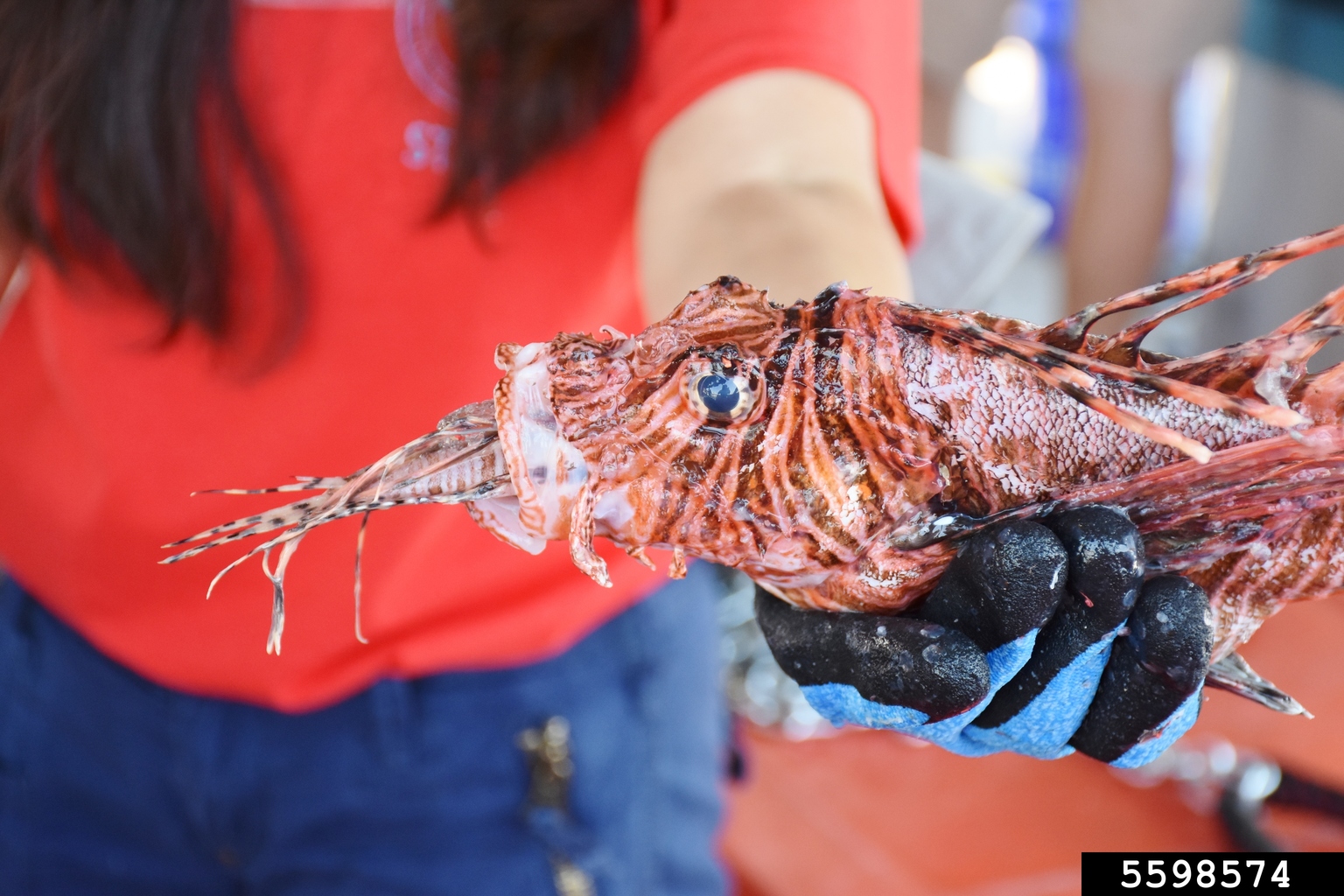
Understanding the mechanism, or pathway, by which invasive species enter Georgia is important in order to prevent or minimize additional introductions. Species can be introduced either accidentally or intentionally. Intentional introductions occur through deliberate human action. Many invasive plants, for example, were originally introduced as ornamentals or forage crops. Others, like kudzu, autumn olive, Japanese honeysuckle, and bicolor lespedeza, were introduced to control erosion or provide food for wildlife (Britton et al. 2004). Some nonnative fish species were imported intentionally to enhance sport fisheries or for aquaculture purposes, while other nonnative species were brought into the state for sale by pet and aquarium dealers. These species may become invasive when they are either intentionally released or escape into the wild and are able to establish viable populations.

Accidental introductions arrive through pathways such as horticulture, aquaculture, commerce, tourism, or travel. Invasive species can be unintentionally transported as hitchhikers by air, water, railways, or roads to new sites on people and their products. Invasive species can enter and spread throughout the state by being carried on construction and farm equipment, airplanes and helicopters, and boats and boat trailers. By not thoroughly inspecting, washing, or rinsing such vehicles, users can easily transport invasive species from one place to another. Contaminated plant nursery stock can also act as a vehicle to transport many invasive insect and pathogen species.

Accidental introductions of aquatic invasive species can occur through the transportation and release of live bait by fishermen and anglers. When live bait or the bait’s packing material is discarded, invasive species may inadvertently be introduced into a new water body. By lodging in nets and other equipment used to harvest baitfish, species can unintentionally be transported into non-infested waters. Stocked fish are another source of invasive species. Though the fish stocks themselves might not be invasive, the water used to transport them could be contaminated with invasive plants, invertebrates, or viruses. Fish stocking by unqualified individuals increases the chance of biological contamination, especially as these individuals are less likely to adhere to regulations and standards regarding transport methods and equipment.
Another prominent pathway for invasive species has been the trade in wood and wood products. In the U.S., 35 percent of all softwood consumed is imported, and up to 70 percent of all international cargo arrives supported by solid wood packing material (SWPM). This material is usually constructed of poor-quality wood, often from trees damaged or killed by pests. Bark inclusions increase the likelihood of the presence of insects, and boards with bark attached can be hidden in middle layers of products such as wooden spools, pallets, or wooden pieces attached directly to the cargo. The recent arrival in Georgia of the redbay ambrosia beetle (Xyleborus glabratus) in solid wood packing material has focused attention on this pathway (GFC 2004). Other non-native insects such as the emerald ash borer, Asian Longhorn Beetle, and Sirex noctilio woodwasp are all thought to have been introduced to North America via SWPM. The transportation of firewood from one place to another is another way invasive insect species are unintentionally moved to new environments. A person hauling infested firewood from home to campsite can move a species hundreds of miles in a single day. Wood from infested or dying trees is often is packed as firewood. The emerald ash borer is being spread from state to state by campers, as well as through the movement of plant nursery stock and green lumber such as ash logs with bark (Tirrell-Wysocki 2007).

Ballast water transport and hull fouling transfers by commercial ships are two pathways for invasive species introductions in Georgia. Ballast water is pumped into a ship’s hull to keep it stabilized and upright. This water is sometimes discharged at the receiving port when the cargo is being loaded or unloaded. Ballast water taken on in any port may include an abundance of live plants, animals, and pathogens not native to Georgia. The organic fouling community that grows on the hull, rudder, propellers, anchor, anchor chain or any other submerged structure of seagoing vessels that are not properly cleaned or maintained are also an important source of invasive species. This growth provides an opportunity for worldwide transport of fouling organisms, particularly on towed barges and other structures like mothballed ships and exploratory drilling platforms. (See Appendix F for a comprehensive outline of invasion pathways.)

Photo of damage caused by Emerald Ash Borer overgrowth
Christopher Asaro, Virginia Department of Forestry, Bugwood.org

Environmentally:

  • Invasive species are the second leading cause of a species being listed as threatened or endangered.
  • Due to climate change, Georgia is facing the potential habitat expansion of invasive species.
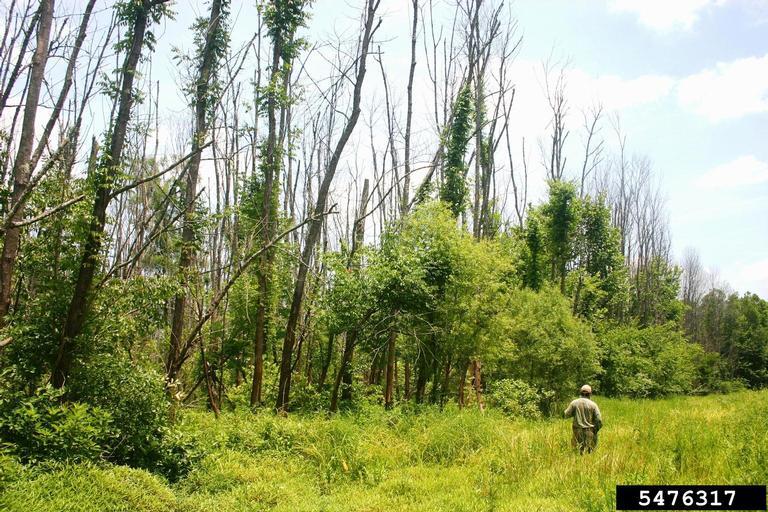
Man walking through forest covered with cogongrass
Florida Division of Plant Industry , Florida Department of Agriculture and Consumer Services, Bugwood.org

Economically:

  • It is estimated that invasive species cost the U.S. economy over $100 billion each year.
  • Nationally, invasive plant species cause a 12 percent reduction in agricultural crop yields, costing the industry $24 billion in lost crop production annually.
  • About $3 billion a year in herbicides are used to protect U.S. crops from invasive plants.
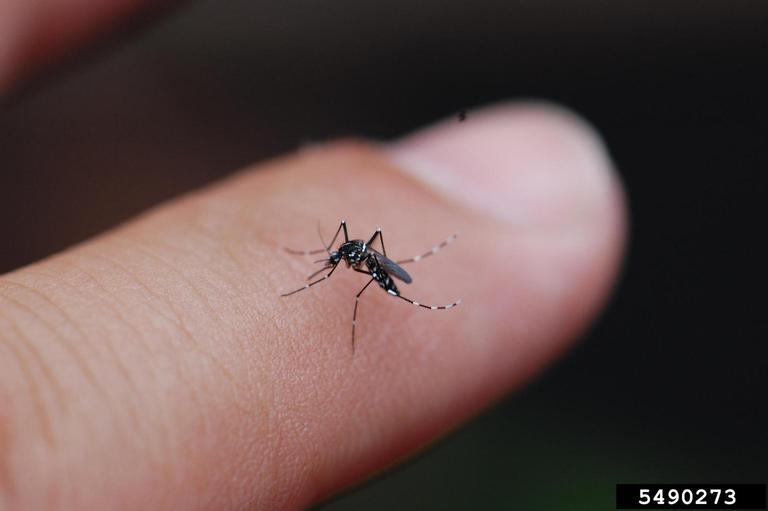
Photo of Asian tiger Mosquito on a human finger
Ary Faraji, SLCMAD, Bugwood.org

Human Health:

  • Invasive species have been known to help spread diseases, some of which affect humans.
  • Many invasive species cause the loss of recreational activities, such as boating, fishing, hiking, and swimming.

Pathways of Introduction

Understanding the mechanism, or pathway, by which invasive species enter Georgia is important in order to prevent or minimize additional introductions.

Intentional vs Accidental

Intentional: Intentional introductions occur through deliberate human action. These species may become invasive when they are either intentionally released or escape into the wild and are able to establish viable populations.

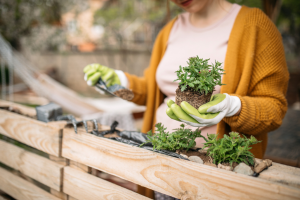
  • Ornamental or Forage Crops
  • Erosion Control and Food for Wildlife
    • Examples: kudzu, autumn olive, Japanese honeysuckle, bicolor lespedeza (Britton et al. 2004)
  • Enhance Sport Fisheries or Aquaculture Purposes
  • Pet and Aquarium Dealers

Accidental: Accidental introductions occur unintentionally when species hitchhike on equipment, materials, or travel pathways. They can become invasive when they are unknowingly transported to new areas where they establish and spread.

  • Terrestrial Pathways
    • Movement through horticulture, aquaculture, commerce, tourism, and travel
    • Hitchhikers
      • Air, water, railways, or roads
      • Clothing and gear
      • Construction equipment, farm equipment, airplanes, helicopters, boats, boat trailers
    • Contaminated plant nursery stock
  • Aquatic Pathways
    • Live bait transport and disposal
      • Discarded bait or packing materials introduce species into new waters
      • Nets and gear used to harvest baitfish can carry species into non-infested waters
    • Stocked fish
      • Transport water can contain invasive plants, invertebrates, or pathogens
      • Unqualified stocking increases biological contamination risks
      • Unqualified individuals are less likely to adhere to regulations and standards regarding transport methods and equipment.
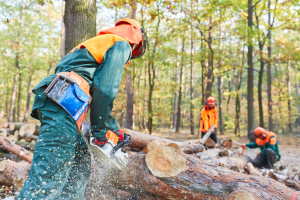
  • Wood and Wood Products
    • Solid Wood Packing Material (SWPM)
    • 35 percent of U.S softwood consumed is imported
    • 70 percent of all international cargo uses SWPM.
      • This material is poor quality and often from damaged trees
      • Bark inclusions (defects in tree) increase likelihood of insects
      • Examples of insects introduced by SWPM
        • Redbay ambrosia beetle (Xyleborus glabratus)
        • Emerald ash borer (Agrilus planipennis)
        • Asian longhorned beetle (Anoplophora glabripennis)
        • Sirex noctilio woodwasp (Sirex noctilio)
    • Firewood Transportation
      • A person hauling infested firewood from home to campsite can move a species hundreds of miles in a single day.
      • Example: Emerald ash borer
  • Commercial ships
    • Ballast Water Transport
      • Ships take on ballast water for stability
      • Water gets discharged at ports when cargo is loaded or unloaded
      • Ballast water can contain non-native plants, animals, and pathogens.
    • Hull Fouling Transfers
      • Marine organisms can grow on hulls, propellers, anchors, and other submerged surfaces.
      • Poorly cleaned vessels can transport organisms long distances
      • Fouling on ships, barges, and offshore structures can spread invasive species worldwide.

Invasive Species Pathway Outline

This outline, adapted from the Invasive Species Pathways Report, lists, and groups the pathways of introduction for invasive species. The pathways identified fall into three categories: transportation, living industry, and miscellaneous. For the “Organisms Transported” entry in the outline, the organisms have been listed with the following letter codes to avoid repetition. Some organisms may have been missed and some of the organism categories may be lumped together.

Key to Organisms Transported
ai = aquatic invertebrates (and larval stages)
in = insects and similar invertebrates
adp = animal disease pathogens and parasites
inv = other invertebrates (not insects)
ap = aquatic plants
mbv = microbes, bacteria and viruses
av = aquatic plants
pdp = plant disease pathogens
di = dinoflagellates
ph = phytoplankton
dp = disease pathogens
ps = plants and seeds
gm = gypsy moth
si = snails and other invertebrates
hfo = hull fouling organisms
tv = terrestrial invertebrates (insects and other arthropods)
v = vertebrates
(T) Transportation

(T) Transportation: All pathways related to the transportation of people and goods and the vehicles themselves. This category includes military travel. Subcategories include: modes of transportation, items used in the shipping process, travel/tourism/relocation, and amil/Intenet/ovenight shipping companies.

  • T1 Modes of Transportation
    • T1.1 Air: includes all methods of moving through the air
      Examples: planes, helicopters, etc. (e.g., stowaways in wheel wells, cargo holds, and anywhere else)
      Organisms transported: v (snakes and others), in, inv, ps, pdp
    • T1.2 Water/Aquatic: includes all methods of moving through the water
      Examples: recreational boats and other craft, semi-submersible dry-docks, can be large or small; includes industrial, tourism, recreational, law enforcement, and Coast Guard crafts
      • T1.2.1 Ship ballast water and sediments and other things that hold water: sea chests, engines, etc.
        Organisms transported: ai, ap, mbv, di, ph
      • T1.2.2 Hull/Surface Fouling (i.e., recreational boats and vessels)
        Organisms transported: hfo, other aquatic organisms when talking about slow moving platforms
      • T1.2.3 Stowaways in holds, cabins, etc.
        Organisms transported: v, inv, ps, pdp
      • T1.2.4 Superstructures/Structures above water line
        Organisms transported: inv (gypsy moths)
      • T1.2.5 Transportation/Relocation of dredge spoil material
        Organisms transported: ai, av, ap, adp, pdp
    • T1.3 Land Terrestrial: includes all methods of moving across the ground
      Organisms transported: ps, gm, si, in, v, adp, pdp
      • T1.3.1 Cars, buses, trucks, ATVs, trailers for recreational boats
      • T1.3.2 Trains, subways, metros, monorails
      • T1.3.3 Construction/Firefighting vehicles and equipment
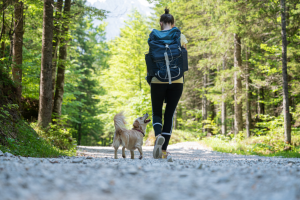
      • T1.3.4 Hikers, hunters, anglers, horses, pets
  • T2 Items used in the Shipping Process
    • T2.1 Containers: both exterior and interior
    • T2.2 Packing Materials
      • T2.2.1 Wood packing materials: wood pallets, wood crates
        Organisms transported: ps, in, pdp, si
      • T2.2.2 Seaweed
        Organisms transported: ai, av, adp, pdp
      • T2.2.3 Other Plant Materials
        Organisms transported: ps, psp, in, si, v, adp
      • T2.2.4 Sand/Earth – sometimes used in archaeological shipments
        Organisms transported: in, inv, ps
  • T3 Mail/Internet/Overnight shipping
    Organisms transported: ps, pdp, in, si, ai, av
  • T4 Travel Tourism/Relocation
    Organisms transported: ps, insect, sim inverts, dp
    • T4.1 Travelers: includes humans as vectors for disease
    • T4.2 Baggage/Gear: carry on and checked items
    • T4.3 Pets/Plants and Animals Transported for Entertainment: includes pets that are transported when one moves or travels, and animals transported for horse shows, sporting events, circuses, rodeos, plant or garden shows, etc.
    • T4.4 Travel Consumables: includes food in RVs, etc.
    • T4.5 Service Industries
(L) Living Industry

(L) Living Industry: All pathways associated with living plants and animals or their by-products. Subcategories within this broad category include food pathways (market ready, for immediate consumption), nonfood animal pathways (transporting animals for other reasons), and the plant trade (aquatic and terrestrial).

  • L1 Plant Pathways
    • L1.1 Plant Trade: aquatic and terrestrial
      Examples: importation of plants and sites of deliberate introductions (botanical gardens, nurseries, landscaping facilities, research facilities, public and private plantings, and aquariums/water gardening facilities when talking about aquatics, etc.)
      Organisms transported: ps, pdp, in, si, v, ai, av, adp
      • L1.1.1 Plant parts
        • L1.1.1.1 Above-ground plant parts (cuttings, budwood)
        • L1.1.1.2 Below-ground plant parts (bulbs, culms, roots, tubers, etc.)
        • L1.1.1.3 Seeds and the seed trade
        • L1.1.1.4 Aquatic propagules
      • L1.1.2 Whole plants
      • L1.1.3 Plant organism “in trade,” intentionally released (authorized and unauthorized) or escaped
      • L1.1.4 Hitchhikers: includes plants, animals, invertebrates, parasites, diseases, and pathogens
        • L1.1.4.1 On or with plant or plant part (includes parasites and pathogens)
        • L1.1.4.2 In water, growing medium, or packing material
  • L2 Food Pathways
    • L2.1 Live Seafood: market ready – imported into and/or throughout the U.S. for immediate consumption
      Organisms transported: ai, ap, av, di, ph, adp, pdp, la
      • L2.1.1 Food organism “in trade,” intentionally released (authorized and unauthorized) or escaped
      • L2.1.2 Hitchhikers: includes plants, animals, invertebrates, parasites, diseases, and pathogens
        • L2.1.2.1 On or in live seafood (includes parasites and pathogens)
        • L2.1.2.2 In water, food, packing material, substrate
    • L2.2 Other Live Food Animals: imported alive into and/or throughout the U.S.
      Examples: livestock, game birds
      Organisms transported: adp, in, mbv, tv, v
      • L2.2.1 Food organism “in trade,” intentionally released (authorized and unauthorized) or escaped
      • L2.2.2 Hitchhikers: includes plants, animals, invertebrates, parasites, diseases, and pathogens
        • L2.2.2.1 On or in live animals (includes parasites and pathogens)
        • L2.2.2.2 In water, food, growing medium, nesting or bedding
    • L2.3 Plants and Plant Parts as Food: imported into an/or throughout the U.S.
      Examples: fruits, vegetables, nuts, roots, seeds, edible flowers, etc.
      Organisms transported: ps, pdp, in, inv, v (frogs on plants, etc.)
      • L2.3.1 Food organism “in trade,” intentionally released (authorized and unauthorized) or escaped
      • L2.3.2 Hitchhikers: includes plants, animals, invertebrates, parasites, diseases, and pathogens
        • L2.3.2.1 On or in live animals (includes parasites and pathogens)
        • L2.3.2.2 In water, food, growing medium, nesting or bedding
  • L3 Non-Food Animal Pathways
    • L3.1 Bait Industry
      Examples: anything used as bait for fishing, etc.
      Organisms transported: ai, ap, av, di, ph, adp, pdp, la
      • L3.1.1 Bait organisms “in trade,” intentionally released (authorized and unauthorized) or escaped
      • L3.1.2 Hitchhikers: includes plants, animals, invertebrates, parasites, diseases, and pathogens
        • L3.1.2.1 On or with bait (includes parasites and pathogens)
        • L3.1.2.2 In water, food, growing medium, nesting or bedding
    • L3.2 Pet/Aquarium trade: includes the organisms and their facilities
      Examples: dogs, cats, birds, reptiles, exotic mammals, fish, other aquarium stock, invertebrates (tarantulas, scorpions, etc.)
      Organisms transported: almost anything is possible
      • L3.2.1 Pet organism “in trade,” intentionally released (authorized or unauthorized) or escaped
      • L3.2.2 Hitchhikers: includes plants, animals, invertebrates, parasites, diseases, and pathogens
        • L3.2.2.1 On or in pet organism (includes parasites and pathogens)
        • L3.2.2.2 In water, food, growing medium, nesting or bedding, aquarium substrates
    • L3.3 Aquaculture: includes the sites where organisms are raised, the raising of the organisms, and their movement, unless classified as live seafood; if an organism usually classified as live seafood is being transported for reproduction purpose or other reasons, it falls under aquaculture
      Examples: fish, shellfish, shrimp and other invertebrates
      Organisms transported: when including larval stages of animals, almost any aquatic plant or animal is possible, with the exception of marine mammals
      • L3.3.1 Aquacultured organism “in trade,” intentionally released (authorized or unauthorized) or escaped
      • L3.3.2 Hitchhikers: includes plants, animals, invertebrates, parasites, diseases, and pathogens
        • L3.3.2.1 On or in cultured organism (includes parasites and pathogens)
        • L3.3.2.2 In water, food, growing medium, nesting or bedding
    • L3.4 Non-Pet Animals
      Examples: importation of animals for non-food livestock (hunt clubs, breeding, racing, work animals), research, harvesting fur/wool/hair, entertainment and their sites of deliberate introduction (zoos, public aquaria, ranches, rodeos, lab facilities, etc.)
      Organisms transported: adp, in, mbv, tv, v
      • L3.4.1 Non-pet organism “in trade,” intentionally released (authorized or unauthorized) or escaped
      • L3.4.2 Hitchhikers: includes plants, animals, invertebrates, parasites, diseases, and pathogens
        • L3.4.2.1 On or with non-pet organism (includes parasites and pathogens)
        • L3.4.2.2 In water, food, growing medium, nesting or bedding
(M) Miscellaneous

(M) Miscellaneous: Pathways that did not fit under the other two categories. Subcategories include other aquatic pathways, ecosystem disturbance, other nonliving animal- and plant-related pathways and natural spread of established populations of invasive species.

  • M1 Other Animal and Plant Related Pathways
    • M1.1 Minimally Processed Animal Products
      Examples: hides, trophies, feathers
      Organisms transported: adp, in, inv
    • M1.2 Minimally Processed Plant Products
      Examples: logs, firewood, chips, mulch, straw, baskets, sod, potting soils, etc.
      Organisms transported: in, inv, ps, pdp, si, v
    • M1.3 Meat Processing Waste
      Organisms transported: adp
  • M2 Other Aquatic Pathways
    Organisms transported: ai, av, ap, adp, pdp
    • M2.1 Interconnected Waterways
      • M2.1.1 Freshwater canals
      • M2.1.2 Marine/estuarine canals
      • M2.1.3 Domestic waste streams
    • M2.2 Interbasin Transfers
  • M3 Natural Spread of Established Populations
    Examples: natural migration, movement and spread of established populations, ocean currents, wind patterns, unusual weather events, spread by migratory waterfowl, etc.
    Organisms transported: this category contains all invasive species
  • M4 Ecosystem Disturbance
    • M4.1 Long-Term Disturbances that Facilitate Introduction
      Examples: highway, railroad, and utility rights-of-way; land clearing, logging, development, damming, stream channelization
      Organisms transported: ps, pdp, in, inv, v
    • M4.2 Short Term Disturbances that Facilitate Introduction
      Examples: habitat restoration, enhancement, creation; forestry; post fire treatments (BAER – Burned Area Emergency Response)
      Organisms transported: ps, pdp, in, inv, v

Photo Credits: Coral Honeysuckle – David J. Moorhead, University of Georgia, Bugwood.org, Greenhouse full of Begonia – Howard F. Schwartz, Colorado State University, Bugwood.org, Japanese Honeysuckle – Triston Hansford, University of Georgia, Bugwood.org, Japanese Honeysuckle – Chuck Bargeron, University of Georgia, Bugwood.org